



You saw Abbey Yung say that this new shampoo is the best thing since sliced bread, and not only is she a trichologist, but her hair is so beautiful it would make Rapunzel jealous, so of course, you want to give it a try.
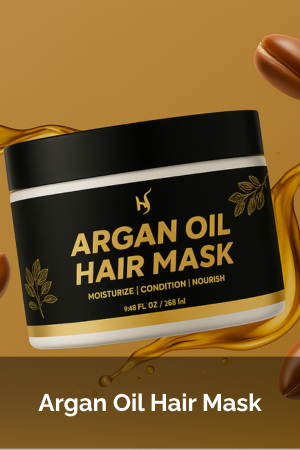
While you're at the store, you see a new hair mask in the prettiest packaging ever, so why not give that one a go, too? Your hair mask is almost done, and although you love it, you kind of got bored with the scent, and maybe this new one ends up being better.
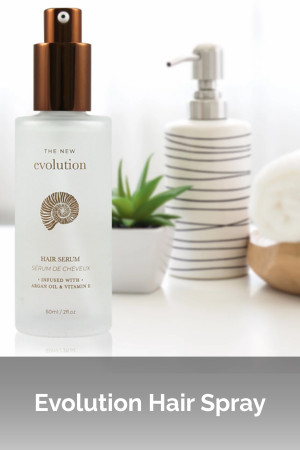
And you might as well get a new leave-in, since you're here and all.
Then, 10 days pass, and your hair is looking limp and frizzy. What happened? Isn't it good for your hair to switch things up every now and then?
Not really. Hair doesn't like a lot of change. If you're not consistent, it can't stabilize. Imagine changing your moisturizer every 3 weeks; your skin would flip out.
Every single time you buy something new, your hair has to sort of reset and get used to whatever new you threw into the mix.

Switching Products Keeps Messing Up Your Hair - Why?
Your scalp literally adjusts the amount of oil it produces according to the products you use all the time, and the cuticle of your hair responds to moisture, protein, and pH.
So, when you keep switching products, nothing ever settles.
A very popular method is switching between shampoos. You have a moisturizing one, a clarifying one, and a protein one.
What do you get out of this? Imbalance.
That's not to say that your hair can't benefit from a clarifying shampoo once or twice a month, but if you switch shampoos every time you wash your hair, you'll probably end up with greasy roots and dry ends.
Plus, you need to think about product residue.
No matter how much you rinse, some residue will stick around, and that's what you want. But if you add new ingredients on top of that, who knows how they'll interact with each other? You'll get great results today, and then terrible ones tomorrow (or whenever you decide to wash your hair again).
Hair products need 4-6 weeks to actually do what they say they do, and when you never let that happen, you never get good results.
What Your Hair Goes Through When You Keep Changing Things
Whenever your hair starts being weird, there's a reason behind it. It's reacting to whatever you did to it, and if you're always changing products, here's what that does.
Moisture Levels Go Up and Down
Every person's hair has that level of hydration that's ideal for it.
So if you use a moisturizing shampoo today, and then a clarifying one 2 days later, then a moisturizing one again, you get a mess. Greasy roots and crispy ends are all you can hope for because you don't give anything any time to work.
Protein & Moisture (Im)balance
The particular product you’re using has protein. This means that it’ll make your hair stronger. The other one has moisture which makes your hair softer, more floaty.
For a healthy balance, you need both.
If you keep switching, that can't happen, so you get either too much protein or too much moisture. Too much protein will make your hair snap, and too much moisture means a flat, limp hairstyle.
The worst thing is that you never get to fix whatever's wrong because you keep changing things.
Buildup Gets Unpredictable
Every single product you put on your hair leaves something behind, like oils, a light film, or what have you. It's extremely important to wash all of that off before putting something new on top, but if you're always bouncing around from one new product to another, that can't happen.
After a while, your hair no longer responds to anything, and it always looks dull because there's too much on it.

Why You'll Never Catch Pros Doing This
Pros know better than that, so they don't go crazy over colorful ads and labels. They know how important routines are, so they stick to them. If you're lucky enough to have a good stylist, they'll tell you this themselves.
Luckily, the industry expects professionals to stay current with all new techniques and products, although not every state treats licenses and education the same.
Here's a quick comparison:
Kansas cosmetology continuing education, for instance, doesn't require CE for most professionals, but brands usually train stylists on new formulas and tools.
In Florida, however, you're obligated to take 4 hours every 2 years to keep your license, so whether you want to or not, you're forced to stay up to date on the latest and greatest in hair care.
Conclusion
The internet is so consumed with the drugstore vs. professional haircare debate that we've all forgotten that consistency is more important. Research is always a good thing, and the things that professionals recommend are recommended for a reason, but everyone's hair is different. If you've found something that works, stick to it, even if nobody has ever mentioned it on TikTok.
Once it stops working, then go ahead and try to find something new.
Don't let consumerism trick you into thinking you always need to buy more and try more because your hair won't like it.