




Student life doesn’t slow down. You’re in class, then working on an assignment until midnight with cold coffee next to your laptop. Self-care is usually the first casualty. Hair care especially feels trivial when you’ve got a deadline at 8am and an exam on Thursday.
But here’s what actually happens when you skip it for weeks: your hair gets dry and tangled, you spend twenty frustrated minutes trying to fix it before class, and you start the day already annoyed. That’s the opposite of what you need. And the frustrating part is it’s usually avoidable with just a few consistent habits.
A workable hair care routine doesn’t take much money, time, or effort. The best one for students is simple enough to follow during exam week, not just on easy weeks. Think of it like brushing your teeth: no grand system, just small habits that fit naturally into your day and don’t require much thought once they’re in place.
This article covers how to put that together, what to focus on, what to skip, and how to match a routine to the week you actually have rather than the one you wish you had.

Why Hair Care Actually Matters
Student wellness conversations tend to focus on sleep, food, and mental health - all fair. Hair care rarely comes up. But it’s connected to how you feel on a daily basis. Clean, manageable hair is one less thing pulling at your attention in the morning, and on days when everything else feels chaotic, that small thing matters more than it sounds.
Stress can increase hair shedding. Late nights make you skip washing or brushing. Wearing the same tight hairstyle every day causes damage over time. Sleeping with wet hair or using heat tools daily dries your hair out faster than most people realise. None of these are dramatic on their own. But they add up, and once you’re dealing with dry, damaged, or constantly tangled hair, it takes longer to fix than it would have taken to prevent.
There’s also something less tangible at play. When you take a few minutes to look after yourself even in a small, practical way it reinforces the idea that your wellbeing is worth some of your time. That sounds basic, but during long stretches of pressure and deadlines, it’s easy to lose track of that.
You don’t need to become someone who knows the difference between every type of hair oil. You just need a short routine that works with your schedule, not against it.
Start Simple. Seriously.
If you’ve ever fallen down a hair care rabbit hole online, you already know how quickly it becomes overwhelming. Thirty products, a Sunday routine that takes two hours, oils that cost more than your textbooks. Most students don’t need any of that. In fact, too many products often leads to inconsistency. You use them for a week, lose track, and the whole routine falls apart.
Four things cover the basics: a shampoo that suits your scalp, a conditioner, a comb or brush, and something to dry your hair gently. That’s the whole foundation. If your scalp gets oily quickly, use a gentle cleansing shampoo. If your hair feels dry or brittle, go for something moisturising. The conditioner is worth the extra ninety seconds in the shower; it makes your hair easier to detangle later, which saves time on rushed mornings when you’re already running late for a 9am lecture.
For drying: press the water out rather than rubbing. A microfiber towel or even an old cotton t-shirt works better than a regular towel and causes less frizz and breakage. It’s a small change that takes no extra time, just a slight shift in how you do something you’re already doing.

Daily habits worth keeping
Brush or comb your hair gently, especially if it tangles easily. If it’s long, a loose braid or bun during study sessions stops knots from building up while you’re sitting at a desk for hours. This also keeps hair out of your face, which is one less distraction when you’re trying to concentrate.
At night, a satin pillowcase or loose wrap reduces friction while you sleep less frizz in the morning, fewer tangles to work through. It’s the kind of thing that sounds minor until you try it for a week and notice the difference.
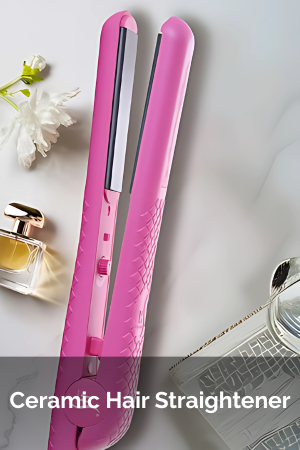
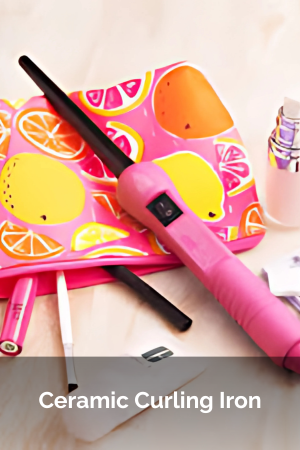
Heat tools are fine occasionally. Daily use is where the damage quietly builds. If you rely on them every morning, it’s worth experimenting with air-drying techniques or styles that work without heat. Low-maintenance options like braids, twists, or wash-and-go routines take some trial and error to figure out for your hair type, but once you have something that works, mornings get a lot easier.
Weekly habits that make a difference
Most students don’t need to wash their hair every day. Depending on your hair type and scalp, once to three times a week is usually enough. The goal isn’t to copy someone else’s routine, it's to figure out what your hair actually needs. Over-washing can strip natural oils and leave your scalp working overtime to compensate, which often makes oiliness worse, not better.
Once a week, give it a bit more attention. A deep conditioner left on for ten minutes, a scalp massage while shampooing, or trimming split ends when needed. The scalp massage is worth mentioning specifically; it's one of those things that feels genuinely good after a long day of staring at a screen, costs nothing, and takes about three minutes.
One practical trick: tie your wash days to your schedule. Pick an evening when your workload is lighter and make that your hair-wash night. Attaching it to something predictable means it actually happens rather than getting pushed back indefinitely.
Fit the Routine to Your Actual Week
The reason most self-care routines get abandoned isn’t laziness. It’s that the routine doesn’t fit real life. A routine that works fine during a quiet week can fall apart completely during a week with three assignments, a lab report, and a part-time shift. If your routine only survives ideal conditions, it’s not really a routine yet.
Look at your week honestly. Which mornings are chaotic? Which evenings are calmer? Build around those patterns. If Monday mornings are always rushed, don’t plan a wash-and-style session then. Wash Sunday evening instead, air-dry while you do something light, and style in five minutes the next morning. The result is the same, but the timing actually works.
Some people do well with quick refresh methods between wash days, dry shampoo at the roots, a leave-in conditioner spray, or water to revive curls or waves. These aren’t replacements for washing, but they buy you a day or two and keep things looking neat without much effort.
During exams, go even simpler. This is not the time for experimenting with new products or techniques. Stick to reliable, low-effort styles and reduce the number of steps. When your brain is already stretched thin, your hair routine should require almost no decisions at all.
Keep your products together in one spot. A small basket with shampoo, conditioner, comb, hair ties, and leave-in is enough. When everything is easy to reach, the routine feels less like a task and more like something you just do. The friction of hunting for products is surprisingly good at killing habits before they form.

Save Time and Money Without Dropping the Ball
Good hair care doesn’t require an expensive product collection. One decent shampoo and one conditioner, used consistently, will outperform a shelf full of products you use once and forget about. Consistency is doing more of the work than anything else which is actually good news for anyone on a student budget.
Look for products with more than one job. A leave-in conditioner that handles both moisture and detangling cuts down on steps and products. A claw clip or scrunchie can pull together a quick style for a lecture, a library session, or an online class without any real prep time. You don’t need a full toolkit, you need a small, reliable one.
Decision fatigue is real. Students make a lot of choices every week: what to study, what to prioritise, what to eat, when to sleep. If your hair routine requires too many decisions on top of all that, you’ll skip it. Make it almost automatic: wash on set days, apply leave-in after every wash, use a protective style on long campus days. Predictable patterns reduce the mental load and make it easier to stay consistent without thinking about it.
The same logic applies to your studies. Protecting your time and managing stress isn’t just about what you do, it's also about knowing when to ask for help. That could mean visiting your campus writing centre, working with a tutor, joining a study group, or asking your professor to clarify something before it becomes a bigger problem. It can also mean turning to a writing service - EduBirdie when you’re genuinely overwhelmed. This kind of support can help you understand difficult topics, organise your ideas, improve your essay structure, prepare for presentations, and get on top of deadlines before they pile up. Getting support isn’t a shortcut, it's a smart use of available resources. When you’re not buried under stress and confusion, you have more space for rest, consistency, and taking care of yourself properly.
Build Something You’ll Actually Stick To
The best routine isn’t the most thorough one. It’s the one you’ll follow on a bad Thursday as well as a calm Sunday. That’s the version that survives midterms, late nights, and the weeks when everything goes sideways at once.
Ask yourself a few practical questions before building yours. How much time can you realistically give this each week? Which styles make you feel comfortable and put-together without requiring a lot of effort? What already fits naturally into your day? Answer those honestly and you’ll end up with something that actually holds up under pressure.
A basic structure to work from: cleanse regularly based on your scalp’s needs, condition every wash day, use gentle styling methods, and protect your hair overnight or during long study sessions. Adjust from there as you go. Hair feeling dry? Add more moisture. Getting oily fast? Wash a bit more often. It’s not fixed. Your routine can shift with the seasons, with your schedule, and with how your hair responds.
Be patient with it. Hair doesn’t change overnight, and neither do habits. Steady, low-effort consistency over several weeks is what actually makes a difference not any single product, not one really good wash day, not a complete overhaul. The results are quieter and slower than that, but they’re also more lasting.
And let go of the idea that your routine needs to be perfect to count. Some weeks you’ll follow it without thinking. Other weeks it’ll fall apart by Wednesday and you’ll be back to dry shampoo and a ponytail. That’s fine. The point isn’t perfection, it's having something simple to return to when things settle down. A routine that fits your life, not someone else’s.